
Creating a workspace at home that is both cozy and productive can greatly enhance your work experience. Whether you’re working remotely full-time or need a comfortable area for occasional tasks, setting up the right environment helps maintain focus and motivation. This guide offers practical tips for designing a home office that balances comfort with efficiency.
Choose the Perfect Location
Find a Quiet and Well-Lit Spot
Selecting the right place in your home is the first step. Ideally, choose a quiet corner with minimal distractions. Natural light is a top priority because it reduces eye strain and improves mood. Position your desk near a window if possible, but be mindful to avoid screen glare.
Consider Privacy and Noise Control
If your home is busy, think about how to reduce noise. Adding rugs, curtains, or even simple soundproofing panels can soften sounds. A private space where you can focus without interruptions is essential for productivity.
Invest in Comfortable and Functional Furniture
Ergonomic Chair and Desk
Comfort helps maintain focus during long working hours. An ergonomic chair that supports your back and allows adjustable height is a smart investment. Pair it with a desk that fits your needs—whether standing desks or traditional ones, make sure there’s enough surface area for your devices and paperwork.
Organize with Storage Solutions
Clutter creates stress, so keep your workspace tidy with shelves, drawers, or filing cabinets. Using organizers or trays helps keep essentials within reach and your desk clean.
Personalize Your Space to Inspire
Add Personal Touches
Decorate your office with items that motivate you, such as plants, artwork, or photos. Plants improve air quality and add a splash of nature, while pictures or quotes can boost morale.
Use Colors Wisely
Colors influence mood and productivity. Soft blues and greens tend to promote calm and focus, while warm tones like yellow can add energy. Choose a palette that feels good for your work style.
Lighting for Comfort and Efficiency
Balance Natural and Artificial Light
As daylight changes, have adjustable lighting options. Desk lamps with adjustable brightness help reduce eye fatigue. Warm light creates a cozy feel, but avoid overly dim lighting that strains your eyes.
Reduce Screen Glare
Position your computer screen perpendicular to windows and use blinds or curtains to control brightness. Anti-glare screen protectors are also effective.
Maintain a Healthy Routine and Environment
Encourage Movement
Incorporate short breaks and stretch sessions to avoid stiffness. A standing desk or balance board can add variety to your posture throughout the day.
Keep Air Fresh and Temperature Comfortable
Good ventilation and a comfortable room temperature are crucial. Open windows when possible, and use fans or heaters as needed to maintain a pleasant environment.
Minimize Distractions and Streamline Workflow
Limit Digital Interruptions
Use apps or settings to mute non-essential notifications during work hours. A dedicated work phone or separate accounts can help separate personal and professional communications.
Plan Your Day
Keep a planner or digital calendar visible. Breaking tasks into manageable sections with clear deadlines reduces overwhelm and keeps you on track.
Additional Tips for Long-Term Comfort
Cable Management
Use cable organizers to keep cords neat and reduce accidental tripping or unplugging devices.
Noise Control Accessories
Noise-canceling headphones can be a valuable tool if external noise is unavoidable.
Refresh Your Space Periodically
Change decorations and rearrange furniture every few months to keep the space feeling fresh and stimulating.
—
Designing an effective home office is about combining comfort and productivity in a way that suits your personal working style. By paying attention to lighting, furniture, organization, and ambiance, you can create a welcoming environment that helps you stay motivated and efficient day after day. Remember to personalize your space and listen to your body’s needs to maintain long-term well-being in your home office.
Related Posts
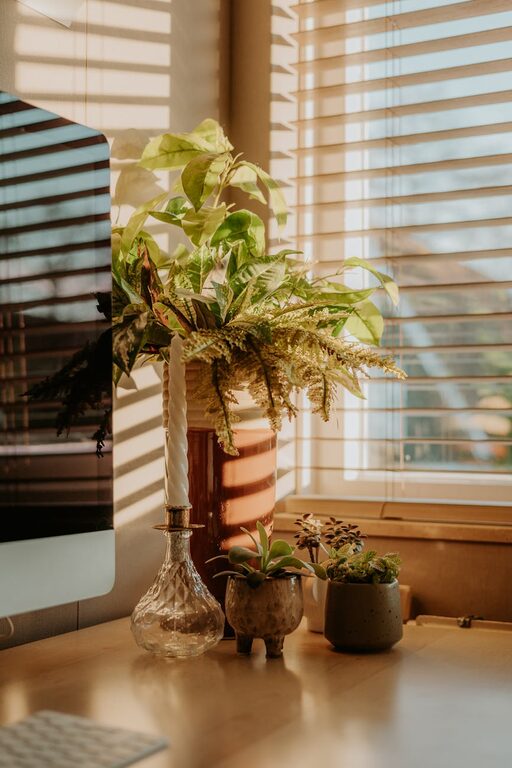
Tips for Creating a Cozy and Productive Home Office Space
Creating a home office that feels both cozy and productive…
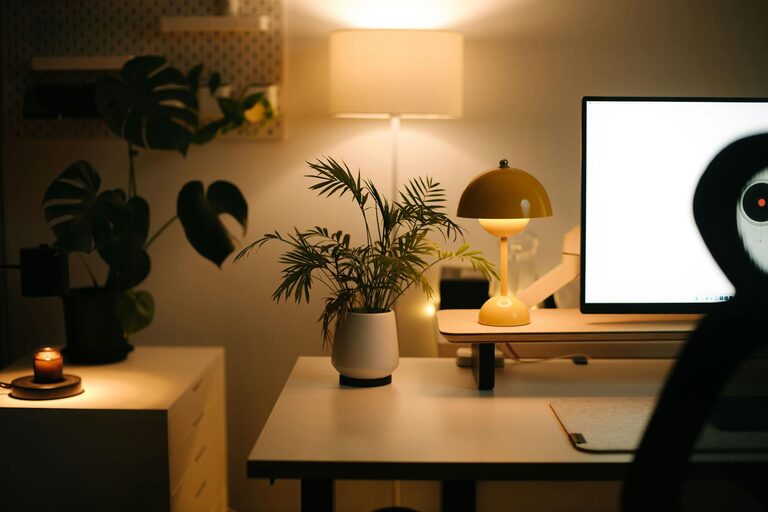
Tips for Creating a Cozy and Productive Home Office Space
Creating a home office that balances comfort and productivity can…
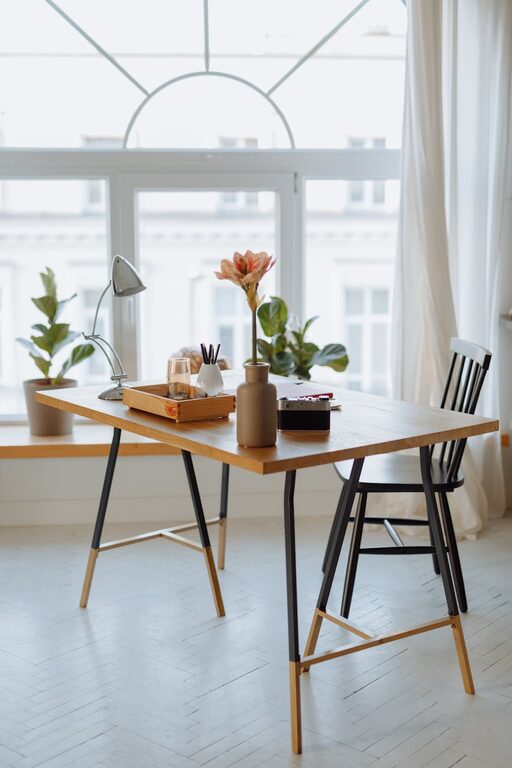
Simple Tips for Creating a Cozy and Inviting Home Office Space
Creating a cozy and inviting home office space can make…